What to Ask Your Seating Manufacturer Before You Sign
Introduction
When investing in a large-scale public venue—whether it is a 2,000-seat university auditorium, a multi-tier sports arena, or a commercial cinema complex—seating is one of the most visible and heavily utilized capital expenditures. A well-built, precision-engineered chair can serve a venue seamlessly for 25+ years. Conversely, choosing the wrong manufacturing partner can lead to structural failures, sagging foam, compliance violations, and costly replacements within a decade.
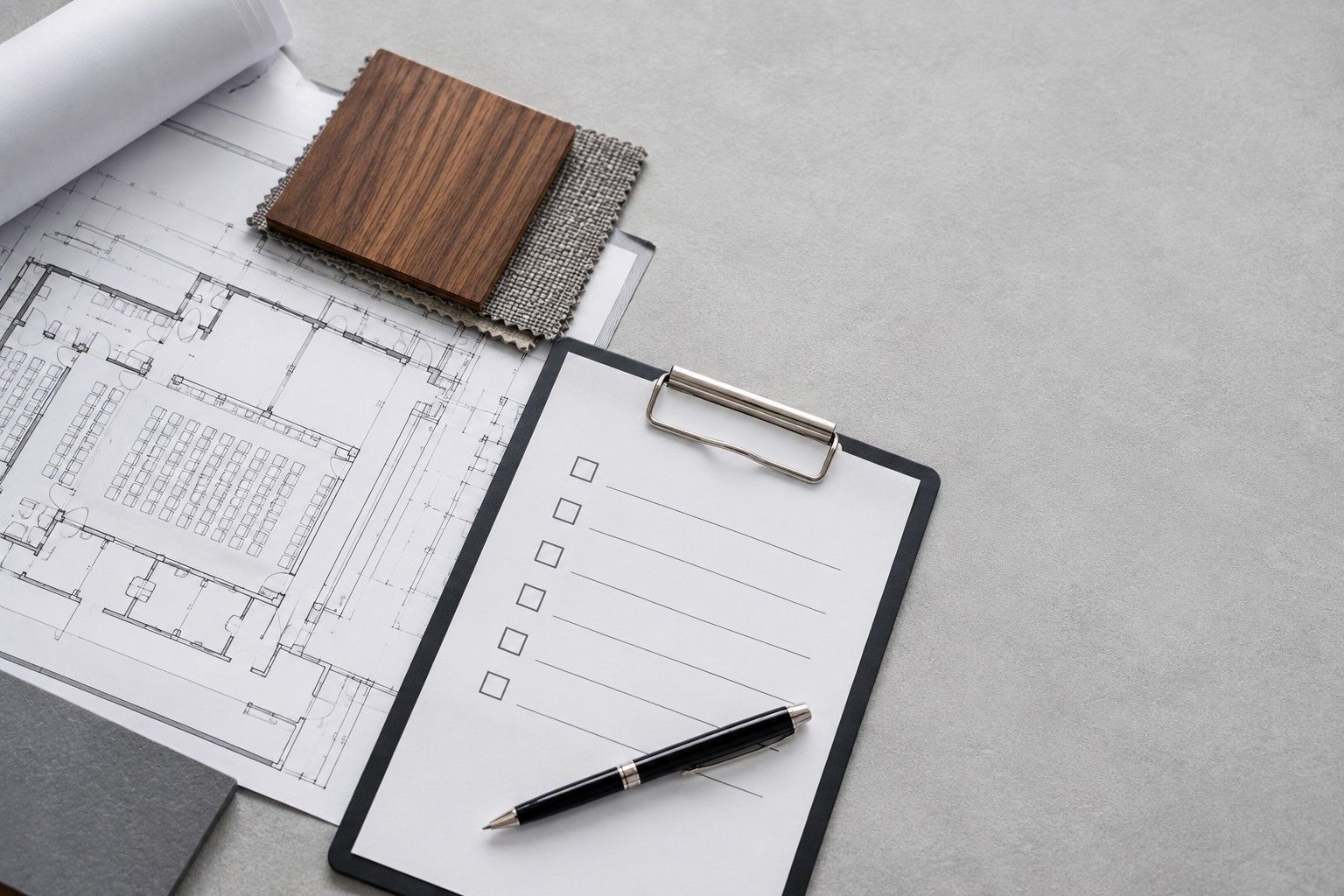
For project directors, lead architects, and procurement committees, issuing a Request for Proposal (RFP) requires looking past polished marketing brochures and digging deep into operational capabilities. Before signing any vendor contract, walk through these six critical questions with your prospective seating manufacturer.
1. Warranty Coverage: What is Actually Protected?
A warranty is only as reliable as the terms written in the fine print. Many manufacturers offer sweeping "lifetime warranties," but exclude the components that wear out first under heavy commercial traffic.
- The Probe: Ask for the exact scope of coverage. Does the warranty cover both parts and labor, or only parts after year two? Are upholstery fabrics, stitching integrity, and reclining mechanisms subject to different timelines?
- What to Look For: Look for comprehensive backing on structural steel frames, high-density molded PU foam cores, and mechanical tip-up or reclining actions. A confident manufacturer stands behind the durability of their core engineering.
2. Compliance Documentation & Safety Standards
Public venues must strictly adhere to local and international safety regulations. Relying on verbal assurances or unverified testing claims can expose venue operators to severe legal and liability risks.
- The Probe: Request certified documentation for structural load ratings, fire-retardant performance (such as BS 5852, EN 1021, or CAL 133 standards), and ergonomic compliance—not just marketing summaries.
- What to Look For: Transparent manufacturers willingly share third-party laboratory test reports verifying that their foam, fabrics, and steel frames meet rigorous public-safety fire codes and weight-capacity thresholds.
3. Manufacturing Capacity & Real-World Lead Times
Delays in seating installation can stall an entire venue opening, creating massive financial repercussions for developers and general contractors.
- The Probe: Can the manufacturer state a realistic, binding delivery timeline for your exact seat count? Do they manage production in-house, or do they rely on third-party outsourced suppliers who can disrupt schedules?
- What to Look For: Look for integrated manufacturing facilities with dedicated production lines, advanced machinery (such as CNC cutting, robotic welding, and high-pressure foam molding), and verifiable history in handling large-scale bulk orders on schedule.
4. Installation Support & Project Management
Even the finest auditorium or stadium chair will fail prematurely if installed incorrectly. Vendor accountability should not end when the shipping containers leave the factory.
- The Probe: Is a dedicated project manager assigned to oversee your rollout? Do they provide direct on-site installation supervision, or do they simply drop off flat-packed boxes for local contractors to figure out?
- What to Look For: Insist on end-to-end support options, including architectural blueprint integration, sightline consultation, and professional installation oversight backed by references from comparable completed venues.
5. Customization Capability & Minimum Order Quantities (MOQs)
Every architectural project has a distinct interior design language, acoustic profile, and spatial constraint.
- The Probe: Clarify the manufacturer's flexibility regarding custom dimensions, wood finishes, special fabric pairings, or integrated writing tablets. What are the associated MOQs and added lead times for custom specifications?
- What to Look For: A true manufacturing partner will feature an in-house development shop capable of building prototype samples, custom jigs, and tailored finishes to match your exact architectural vision rather than forcing you to choose from a rigid, off-the-shelf catalog.
6. Spare Parts Availability & Long-Term Lifecycle Support
Venues experience continuous wear and tear. A broken armrest or torn fabric panel should not mean replacing an entire row of seating five years down the road.
- The Probe: Confirm whether replacement parts (such as replacement seat pads, mechanism components, and matching fabrics) will remain in production and readily available for the full duration of the warranty cycle.
- What to Look For: Manufacturers with established domestic or regional production infrastructure can easily supply matching replacement components on short notice, ensuring your venue maintains its pristine appearance for decades.
Conclusion
Bringing a structured, data-driven checklist into vendor conversations—rather than relying on surface-level marketing materials—puts project directors and procurement teams in a much stronger negotiating position. It filters out unreliable vendors, protects your capital investment, and ensures your venue delivers long-term comfort, safety, and aesthetic excellence.